Myth & Folklore
Appalachian Dream Signs And Tokens
Mountain communities in the southern Appalachians kept a working vocabulary of dream tokens, mostly concerning death and weather, preserved in folklore collections from the last century.
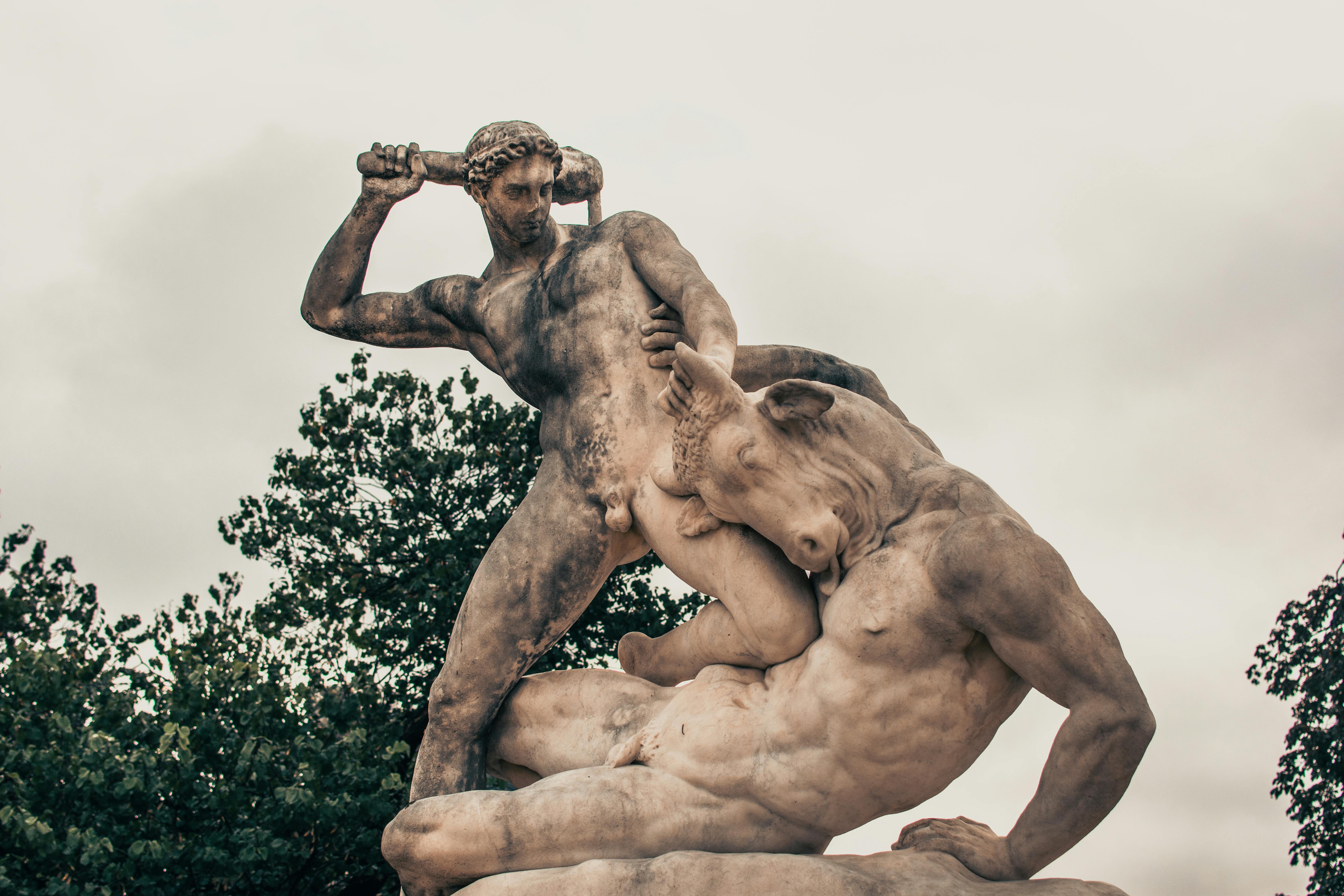
Folklore gathered across the southern Appalachians records a dense body of belief about signs, and dreams sit among them as one channel of warning alongside birds, mirrors and clocks.
The word token
In this tradition a token is a sign that something is coming, and dreams are one of several places a token can appear.
Tokens are understood as notices rather than causes, and the recorded material treats them as information about an event already in motion.
That framing keeps them distinct from charms or workings intended to change an outcome, which belong to a separate category in the same collections.
Death signs dominate
The largest group of recorded dream tokens concerns death, which reflects communities in which illness moved fast and a doctor could be many hours away.
Recurring images include losing a tooth, a house being built, muddy water, and dreaming of a wedding, several of which appear in other American folk traditions with similar readings.
Reversal is common here as well, with the joyful image read as the grim sign, a pattern documented across a wide range of European-descended folk interpretation.
Where the tradition came from
Much of it descends from Scots-Irish, English and German folk belief carried into the mountains and preserved in relatively isolated communities.
Contact with neighboring African American and Cherokee communities introduced further elements, and the collections show overlapping vocabulary that resists neat separation by origin.
The isolation frequently emphasized in older writing about the region has been substantially overstated by later historians, and the tradition was never sealed off.
How the collections were made
Systematic gathering began in the early twentieth century, when collectors traveled the region recording ballads, remedies, sayings and beliefs from older residents.
Collectors often arrived expecting to find survivals of an older Britain, and that expectation shaped what they asked about and what they chose to publish.
Reading the material well means allowing for that selection, since a collection of what a visitor found interesting is not a census of what people believed.
What the signs were actually for
A token gave a family a reason to send for relatives, prepare a room or check on a neighbor, which are practical responses to an uncertain warning.
The system therefore functioned as a way of acting under uncertainty in a setting where information traveled slowly and consequences arrived quickly.
Described as belief and practice, it is a coherent historical record. Presented as knowledge about what dreams foretell, it is a claim the material itself does not support.
Also by Priya Raghunath
- Dream incubation: the ancient practice of sleeping somewhere on purposeMyth & Folklore
- Jung, archetypes and the collective unconscious: a sceptical readingSymbols & Meaning
- The mare, the hag and the jinn: how one physiological event became a global folkloreMyth & Folklore
- Ancient Mesopotamian dream omens and the world's first dream manualMyth & Folklore