Myth & Folklore
Dream Lore In The African American South
Southern Black communities preserved a detailed body of dream interpretation combining West African inheritance, biblical framing and practical guidance, recorded by folklorists in the last century.
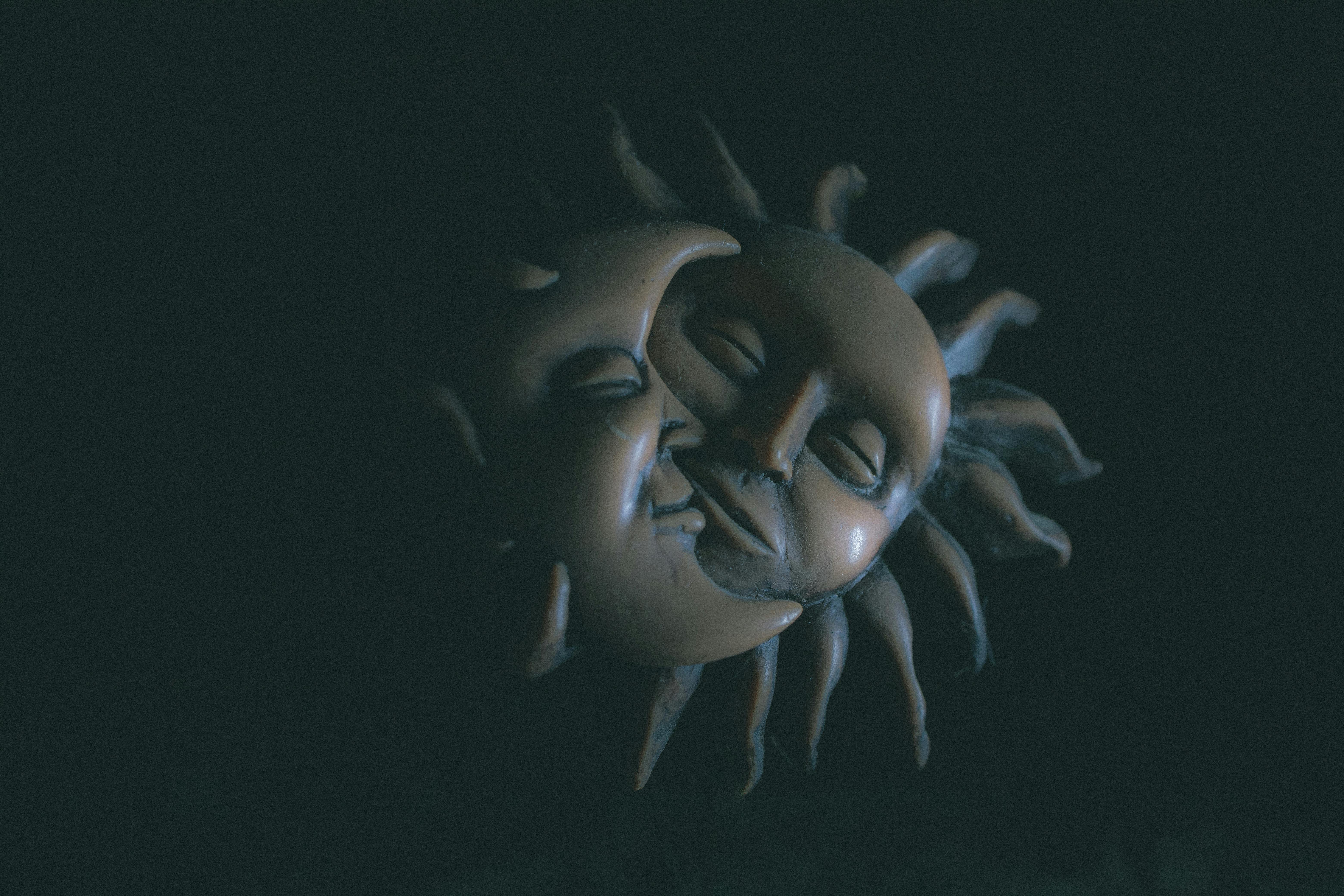
Folklore collections gathered across the American South record an unusually detailed and consistent body of dream interpretation. It combined several inheritances into a working system.
How the material was collected
Much of it was written down in the first half of the twentieth century by folklorists and interviewers, some working through federal writing projects during the Depression.
Interviewers recorded dream signs alongside remedies, songs, sayings and accounts of earlier life, since informants did not treat these as separate categories.
The records carry the biases of their collection, including the interviewer's selection of what was worth writing down and the caution of people speaking to outsiders.
The sources the tradition drew on
Elements are traceable to West and Central African practices in which dreams carry communication from ancestors and are treated as socially significant rather than private.
Biblical dream narratives supplied a second frame, and interpretations were frequently justified by reference to scriptural dreams and their outcomes.
European folk dream lore contributed a third strand, and the resulting system is genuinely composite rather than a survival of any single source.
What the recorded signs concern
A large share deal with death, birth and travel, which is characteristic of dream lore in communities where those events were the ones a family could not plan around.
Reversal is a recurring principle in the collections, with dreams of a wedding read as concerning a death and dreams of a death read as concerning a birth.
Many signs are attached to specific images such as muddy water, a fish, or a lost tooth, and the same images appear in the printed dream books of the same period.
Interpretation as a social role
Interpretation was often the province of particular people, frequently older women whose standing rested partly on being reliably right about such matters.
Dreams were told rather than kept, and telling a dream to the household in the morning was part of how the sign was acted on.
That public quality distinguishes the practice sharply from modern dream interpretation, which assumes a private dream and a private meaning.
What survives and how to read it
Elements remain in family sayings well beyond any organized practice, particularly around dreams of the dead and dreams read as announcing a pregnancy.
The tradition is documented as belief and practice, and describing it accurately means attributing the claims rather than endorsing or dismissing them.
Its historical value lies in showing an interpretive system that was communal, practical and continuously used, which is rarer in the written record than the private symbolic reading that replaced it.
Also by Priya Raghunath
- Dream incubation: the ancient practice of sleeping somewhere on purposeMyth & Folklore
- Jung, archetypes and the collective unconscious: a sceptical readingSymbols & Meaning
- The mare, the hag and the jinn: how one physiological event became a global folkloreMyth & Folklore
- Ancient Mesopotamian dream omens and the world's first dream manualMyth & Folklore