Myth & Folklore
Dream Traditions Among Native North American Peoples
Dreaming carries formal social significance in many Indigenous North American traditions, with practices and meanings differing greatly between nations rather than forming one system.
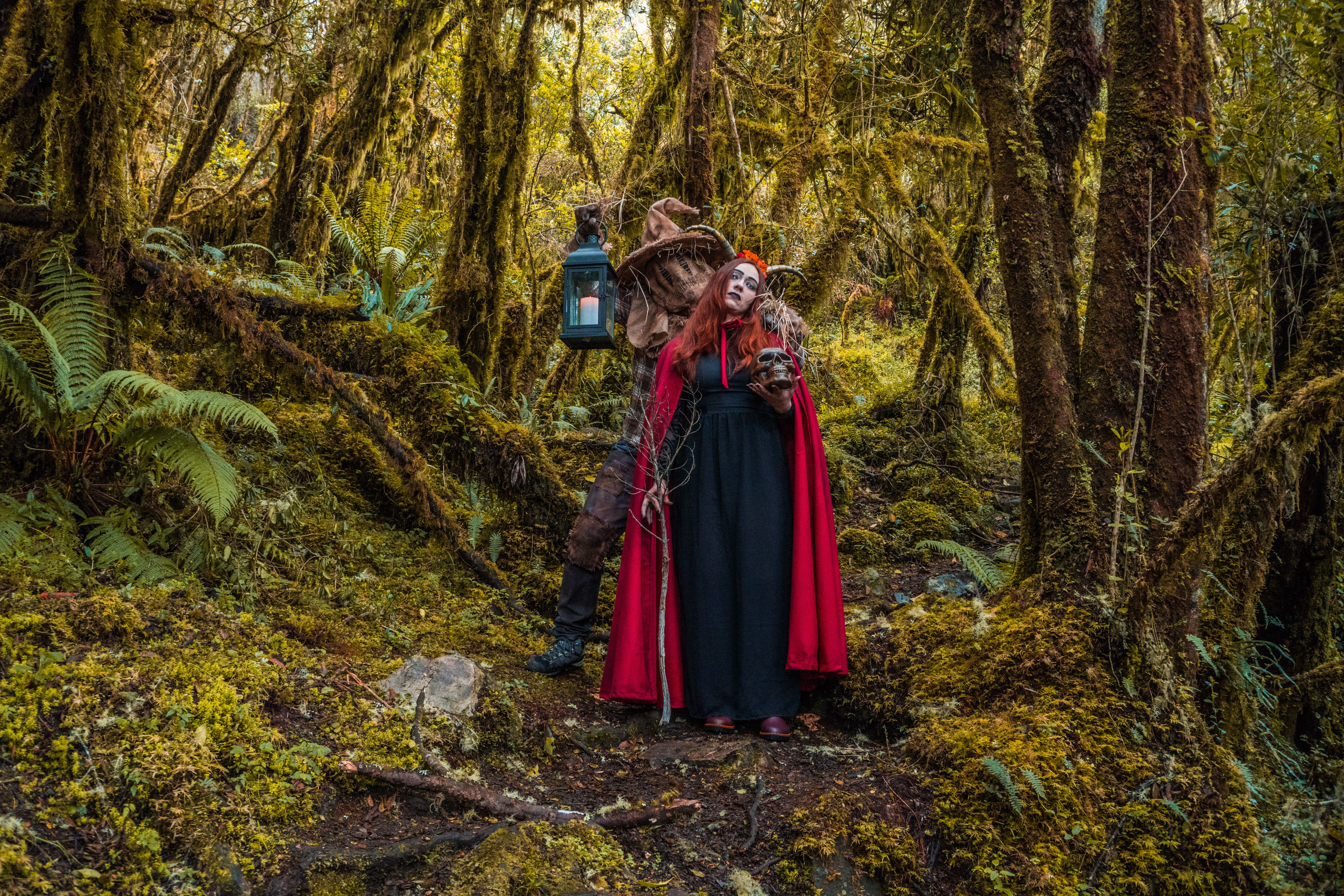
Dreaming holds recognised significance across many Indigenous North American traditions. The practices differ substantially between nations, and treating them as a single tradition is the most common error.
Why generalisation misleads
Hundreds of distinct peoples with different languages, histories and environments occupy the continent, and their dream practices differ as much as their other institutions do.
Popular writing often collapses these into a generic spirituality, frequently assembled from a small number of sources and then attributed to everyone.
Describing a practice as belonging to the particular nation from which it is documented is both more accurate and more respectful of the differences involved.
Dreams as socially recognised events
In many of these traditions dreams are not treated as private. They may be reported, discussed and acted upon by a family or community rather than kept to the dreamer.
Some traditions record dreams conferring standing, obligations or knowledge, including rights to particular songs, designs or roles, with recognised procedures for validating such claims.
This differs sharply from frameworks in which a dream is understood as a window into the dreamer's individual psychology and is nobody else's business.
Dreams and the world beyond the human
Several traditions describe dreaming as a form of encounter with beings that are understood as persons, including animals and other other-than-human beings.
Within those frameworks a dream is a meeting that establishes a relationship, and the obligations arising from it are real rather than metaphorical.
Anthropological writing has frequently misdescribed this by translating it into symbolic terms, which is a substitution of one framework for another rather than an explanation.
The problem with the ethnographic record
Much of what is written about these traditions was recorded by outsiders working under colonial conditions, sometimes while the practices themselves were being actively suppressed.
That context affects what was disclosed. Communities had good reason to withhold information, and some of what was recorded was deliberately partial.
Contemporary scholarship increasingly involves the communities themselves, which has revised earlier accounts in ways that suggest older sources should be read with caution.
The dreamcatcher and how objects travel
The most widely recognised item associated with Indigenous dream practice originates with a particular people and has been commercialised far beyond that origin.
Its spread illustrates a general pattern, in which an object with a specific meaning in one community becomes a generic ornament elsewhere, detached from what it was for.
Living traditions remain, held by living communities, and accounts of them are best sought from those communities rather than from summaries written about them.
Also by Priya Raghunath
- Dream incubation: the ancient practice of sleeping somewhere on purposeMyth & Folklore
- Jung, archetypes and the collective unconscious: a sceptical readingSymbols & Meaning
- The mare, the hag and the jinn: how one physiological event became a global folkloreMyth & Folklore
- Ancient Mesopotamian dream omens and the world's first dream manualMyth & Folklore