Myth & Folklore
Dreams In Mesoamerican Thought And Practice
Nahua and Maya traditions treated dreaming as movement of a soul that could leave the body, and colonial-era sources record the interpretive systems that grew from that premise.
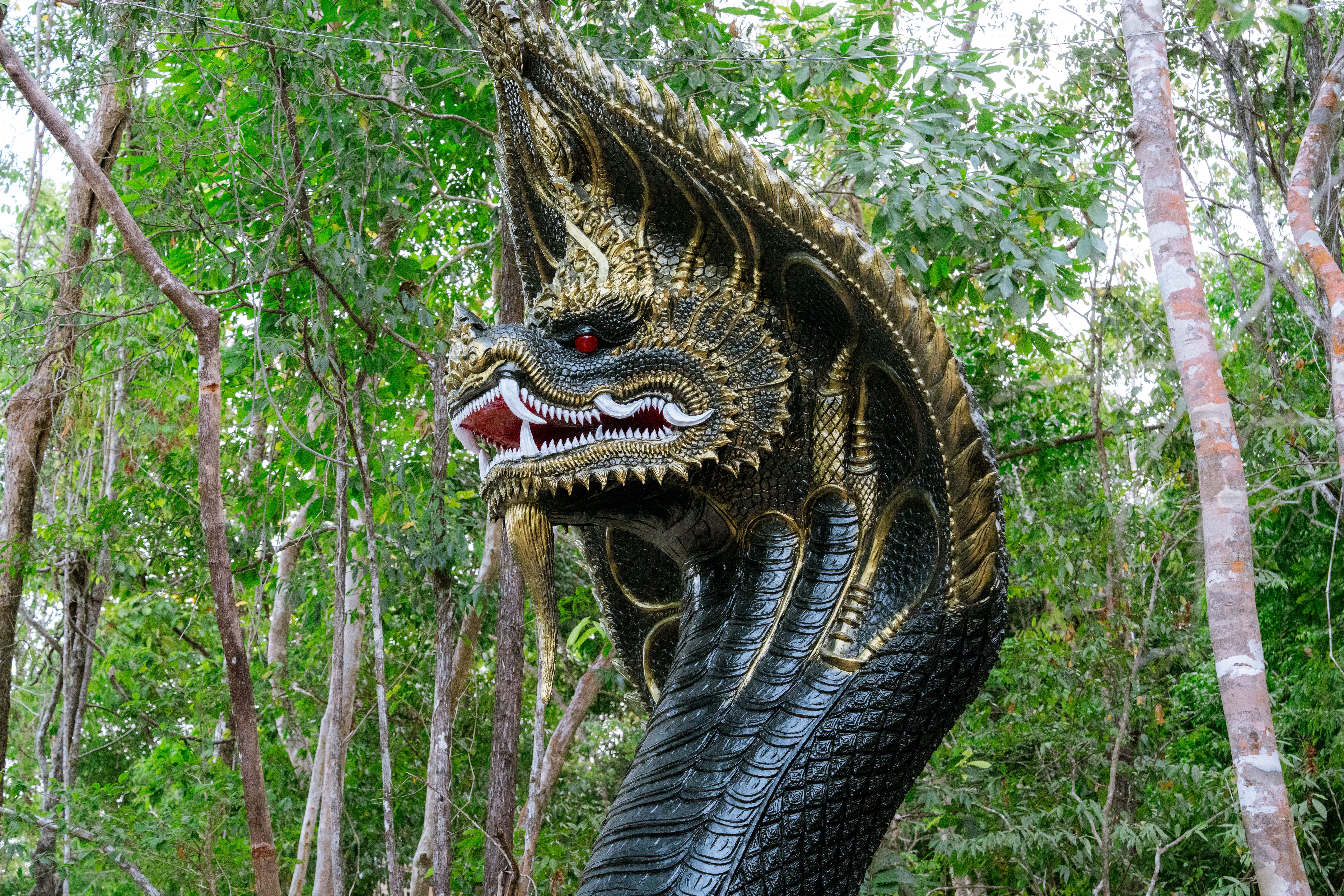
Mesoamerican traditions approached dreaming from a premise that differs sharply from the European one: something departs the sleeping body and what it encounters is real.
The premise about the sleeping self
Nahua thought described several animating entities within a person, one of which was understood as able to leave during sleep and travel.
Under that account a dream is not a production of the mind but a report of where something went, which makes dreams a source of information about the world.
Related ideas appear across Maya communities, including the concept of a companion being whose experiences a person may encounter while asleep.
Who interpreted, and how
Specialists in dream interpretation existed alongside those handling calendrics, healing and divination, and the roles frequently overlapped in one person.
Calendrical systems supplied part of the framework, since the day on which a dream occurred bore on how it was to be read.
Colonial-era compilations gathered by missionaries record lists of dream signs, though those texts were assembled by outsiders and for purposes of their own.
The problem with the sources
Nearly all written evidence for pre-conquest belief was produced during or after the conquest, often specifically to identify practices for suppression.
Indigenous authors writing in that period were working within colonial constraints, and their accounts were shaped by what could safely be recorded.
Any summary of pre-conquest dream belief is therefore a reconstruction from filtered sources, and confident claims about it should be treated accordingly.
Dreams and healing
Healing practices in many Mesoamerican communities involve dreams as part of a practitioner's calling, with the vocation described as received while asleep.
Dreams also feature in diagnosis in some traditions, where what a patient or healer dreams contributes to identifying the nature of an illness.
These are living practices in communities today, and describing them in the past tense as though they ended with the conquest misrepresents the situation.
What survived and what changed
Catholic categories were absorbed rather than simply replacing what preceded them, and saints entered dream accounts alongside older figures.
Anthropologists working in Nahua and Maya communities in the twentieth century recorded dream practices that combine both inheritances without treating them as being in conflict.
The durable element is the underlying premise that dreaming is a form of contact rather than a private experience, which is what most distinguishes these traditions from the European interpretive tradition.
Also by Priya Raghunath
- Dream incubation: the ancient practice of sleeping somewhere on purposeMyth & Folklore
- Jung, archetypes and the collective unconscious: a sceptical readingSymbols & Meaning
- The mare, the hag and the jinn: how one physiological event became a global folkloreMyth & Folklore
- Ancient Mesopotamian dream omens and the world's first dream manualMyth & Folklore