Myth & Folklore
Medieval Dream Visions As A Literary Form
Medieval European writers developed the dream vision into a recognised genre, using the frame of a dream to say things that could not easily be said directly.
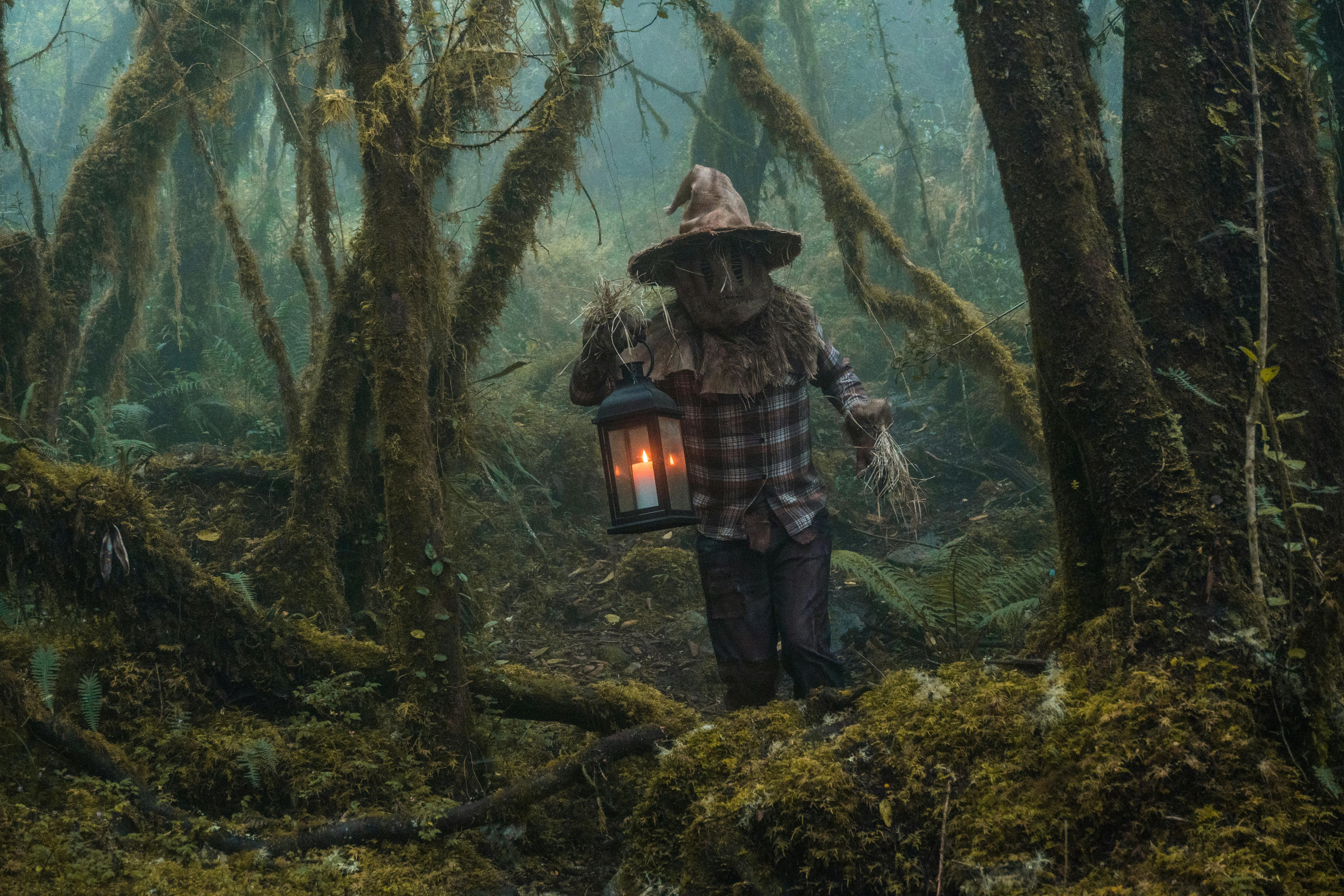
A large body of medieval European literature is framed as a dream. The convention was so well established that audiences knew what to expect from the opening lines.
The standard structure
The narrator describes falling asleep, often in a garden or after reading, and then recounts a vision in which a guide figure appears and explains what is being shown.
The vision typically involves allegorical figures representing abstractions, and the narrator questions them, which allows exposition to proceed as dialogue.
The work closes with waking, frequently with the narrator uncertain about what has been seen, and sometimes with an explicit undertaking to write it down.
Why the frame was useful
A dream provides deniability. Material that would be dangerous asserted directly can be presented as something that appeared to a sleeper, with the author's responsibility for it left unclear.
Medieval writers used this for social and religious criticism, and the frame allowed satire of powerful institutions to circulate with a degree of protection.
It also licensed impossibility. Allegorical figures can converse with the narrator and landscapes can behave symbolically without any breach of narrative plausibility.
The theological question underneath
Medieval thinkers inherited a classification of dreams from late antiquity that distinguished several types, from meaningless bodily disturbances to genuine divine revelations.
This mattered because a dream claimed as revelation carried authority, and the church had reason to be careful about who could claim it and on what grounds.
The literary dream vision sits deliberately in the ambiguous zone, gesturing at the higher categories while rarely claiming them outright, which is part of its usefulness.
Visionary writing outside fiction
Alongside the literary genre, a substantial body of recorded visionary experience survives, much of it from religious women whose visions gave them a voice otherwise unavailable.
These texts are not the same as the literary dream visions, though they share vocabulary and imagery, and the boundary between them was not always sharp to contemporaries.
Their reception depended heavily on institutional judgement, and the same account could be received as revelation or as delusion depending on who was assessing it.
What the genre tells us about dreams
Very little directly. These are constructed literary works following conventions, not records of anything anyone dreamed.
What they do document is a culture in which dreaming was an accepted channel for truth, sufficiently so that claiming it was a recognised move rather than an eccentricity.
The convention faded as literary fashion changed, but the underlying idea, that a dream frame permits what direct statement does not, has been reinvented repeatedly since.
Also by Priya Raghunath
- Dream incubation: the ancient practice of sleeping somewhere on purposeMyth & Folklore
- Jung, archetypes and the collective unconscious: a sceptical readingSymbols & Meaning
- The mare, the hag and the jinn: how one physiological event became a global folkloreMyth & Folklore
- Ancient Mesopotamian dream omens and the world's first dream manualMyth & Folklore