Symbols & Meaning
Why Dream Symbols Feel Personal Rather Than Universal
The same dream image carries different associations for different dreamers, and the research on individual dream series consistently supports the personal reading over the universal one.
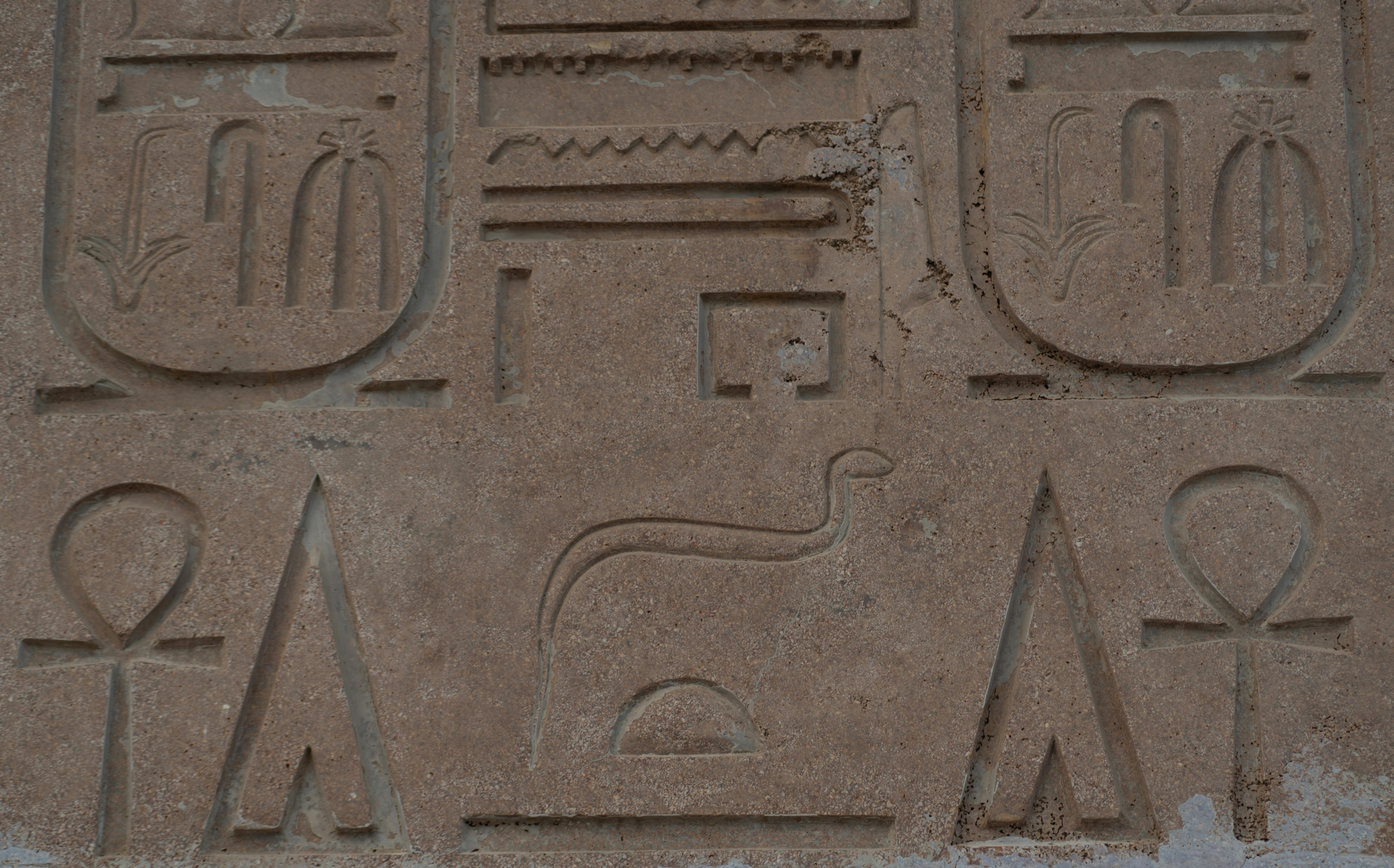
The idea that dream images carry fixed meanings has enormous popular reach. The evidence from long individual dream series points the other way, towards meanings that are specific to the dreamer.
What long dream series show
Some individuals have kept dream journals over decades, and these collections have been coded in the same way as laboratory material, producing an unusually detailed picture of one mind.
The consistent finding is stability within a person. Particular settings, characters and concerns recur across years, forming a signature that distinguishes one dreamer's series from another's.
What does not appear is a shared code. The elements that recur for one dreamer are not the elements that recur for the next, even where their lives are broadly similar.
Why associations differ so much
An image is built from memory, and memory is personal. A hospital carries entirely different associations for someone who works in one and someone who lost a parent in one.
Dream content is assembled from that stock, so the emotional weight attached to an element is inherited from the dreamer's history rather than assigned by the image itself.
This is why interpretations that feel accurate to one person seem arbitrary to another, and why the same dictionary entry can be convincing and useless in adjacent readings.
The older traditions understood this better than modern ones
Classical interpreters insisted that the dreamer's occupation, wealth, health and character altered what an image meant, and treated a reading without that context as incompetent.
Several religious traditions of dream interpretation similarly required knowledge of the dreamer, and treated interpretation as a skilled practice rather than a lookup.
Modern dream dictionaries dropped the qualification while keeping the entries, which is the step that turned a demanding craft into a format that fits on a page.
Where apparent universals come from
Some themes really do recur across societies, including falling, pursuit and tooth loss. Their frequency is a genuine finding about what dreams contain.
Frequency is not meaning. That many people dream of being chased says something about how dreams are generated, and nothing about what a particular chase signified.
Shared meanings that do exist are usually cultural rather than innate, learned from the same stories and rituals, which is why they hold within a society and weaken across its borders.
A workable approach for a dreamer
Asking what an element reminds the dreamer of produces something usable. Asking what it means in general produces someone else's answer to a different question.
Over months, a journal will show which elements recur and what they accompany, and that pattern is a more solid basis for reflection than any single interpretation.
Where recurring dreams are distressing or are damaging sleep, the pattern belongs in a conversation with a clinician, since treatments for distressing dreams exist and interpretation is not one of them.
Also by Priya Raghunath
- Dream incubation: the ancient practice of sleeping somewhere on purposeMyth & Folklore
- Jung, archetypes and the collective unconscious: a sceptical readingSymbols & Meaning
- The mare, the hag and the jinn: how one physiological event became a global folkloreMyth & Folklore
- Ancient Mesopotamian dream omens and the world's first dream manualMyth & Folklore