Sleep Science
Why Alcohol Sedates You And Then Ruins The Night
Alcohol shortens the time taken to fall asleep and then fragments the second half of the night, a two-phase effect that follows directly from how quickly the body clears it.
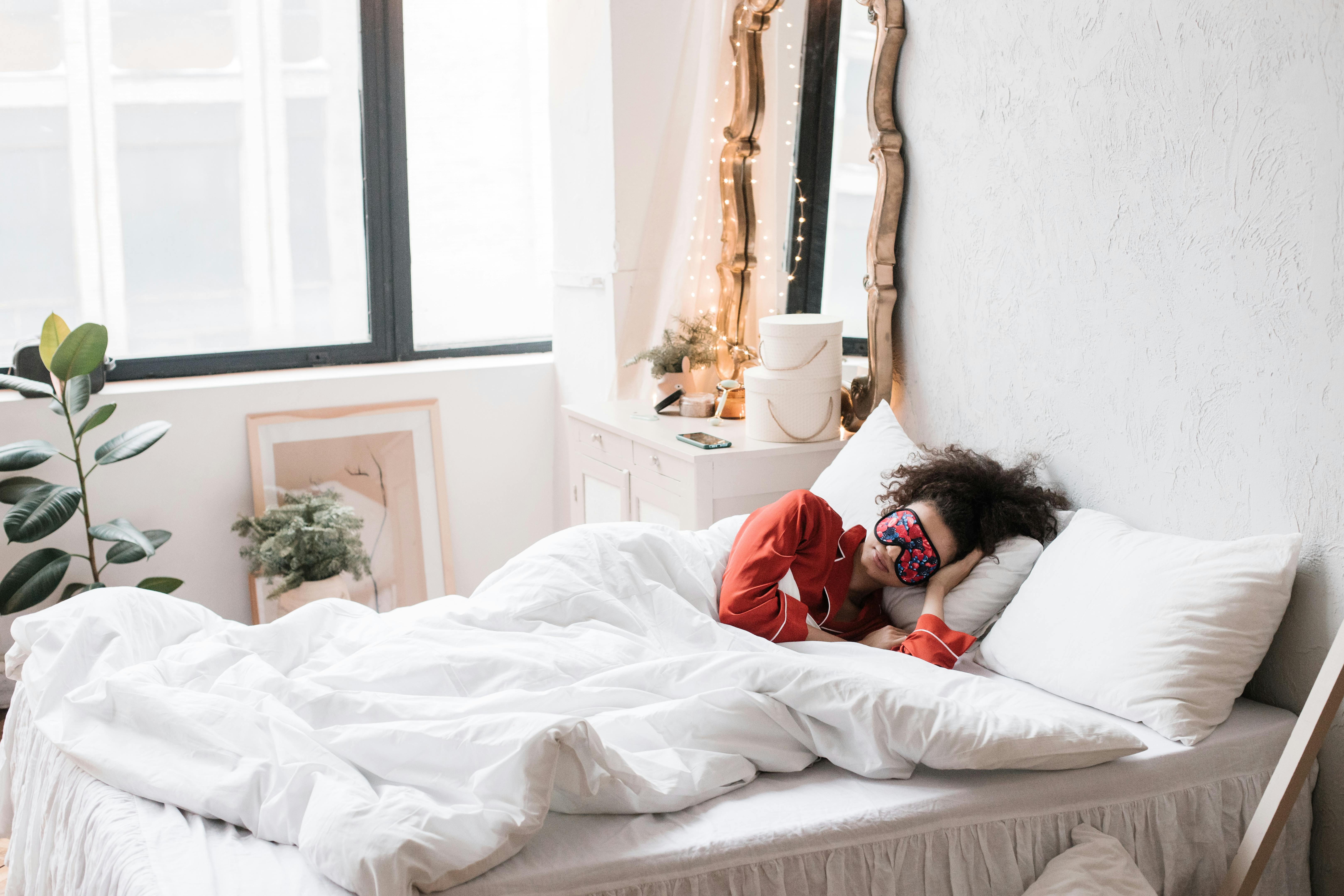
Alcohol is widely used as a sleep aid and reliably fails as one. The reason is that its effects on sleep reverse partway through the night.
The first half of the night
Alcohol is a central nervous system depressant, and its immediate effect is sedative. Sleep arrives faster, and the earlier portion of the night contains more deep slow-wave sleep than usual.
This is the part people notice, and it is what sustains the belief that a drink before bed helps. The subjective experience of falling asleep easily is real.
Dreaming sleep is suppressed during this period. The proportion of the night given over to it drops, and its onset is pushed later.
What happens as it is metabolised
The body clears alcohol at a fairly steady rate, so blood concentration falls through the night and approaches zero partway through for typical evening amounts.
As it clears, the suppressed systems rebound. Arousal increases, sleep becomes lighter and more fragmented, and awakenings multiply in the second half of the night.
Suppressed dreaming sleep rebounds too, often intensely, which is why vivid or unpleasant dreams cluster in the early morning after drinking.
Why the night ends badly
The rebound coincides with the period when sleep is already most fragile, as core temperature turns upward and circadian pressure to wake begins rising.
Two destabilising influences therefore land together, which is why waking at an unwanted hour and failing to return to sleep is such a consistent feature.
Total sleep time may be unchanged or only slightly reduced, so the damage is to continuity and composition rather than duration, and a simple hours figure will miss it.
The other physical effects on the night
Alcohol relaxes muscles in the upper airway, which increases snoring and worsens breathing disruption in people already prone to it.
It also acts as a diuretic and raises heart rate during sleep, both of which contribute to a night that feels unrestful regardless of what a clock says about its length.
Anyone with diagnosed or suspected breathing problems during sleep has particular reason to discuss alcohol with a clinician rather than treat it as a neutral variable.
Why tolerance does not solve it
The sedative effect diminishes with regular use faster than the disruptive one does, so habitual drinking tends to keep the cost while reducing the benefit.
Sleep taken as a reason to continue drinking is therefore built on an effect that fades, and stopping often produces temporarily worse sleep before it improves.
That rebound period is a recognised difficulty and is one reason people seeking to reduce their drinking benefit from knowing in advance that the first nights are unrepresentative.
Also by Nadia Eriksen
- What actually happens across a night of sleepSleep Science
- Your body clock is a physical structure, not a metaphorSleep Science
- Nightmares are treatable, and the treatment involves rewriting the endingNightmares & Disorders
- Are you really a night owl? What chronotype is and how much of it is fixedSleep Science