Sleep Science
Insomnia in the second half of the night, and what wakes you at four
Sleep-maintenance insomnia has a different differential from difficulty falling asleep. Cortisol, alcohol, apnoea, the bladder and the body clock are all more likely explanations than anxiety alone.
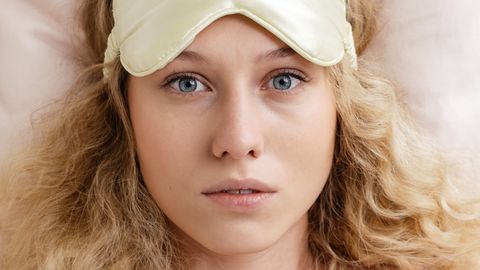
Waking in the small hours and being unable to return to sleep is one of the most common sleep complaints, and it is a different problem from difficulty falling asleep. The causes differ and so does the management.
First, the reassuring part. Brief awakenings during the night are entirely normal — everyone has several, most are not remembered, and they occur at the transitions between sleep cycles. The complaint is not about waking; it is about not getting back to sleep.
The likely explanations
Alcohol. The most common and the most reversible. Alcohol shortens sleep latency and suppresses REM in the first half of the night. As it is metabolised, there is a rebound — increased REM, fragmented sleep, and awakening in the second half. A person drinking three glasses of wine at nine will frequently wake at three or four. The pattern is so characteristic that it is worth eliminating before investigating anything else.
The circadian rhythm. Core body temperature reaches its minimum a couple of hours before habitual waking, and cortisol begins its pre-waking rise — the cortisol awakening response starts several hours before you get up. This is a period of physiological transition, and it is an easier point at which to wake fully than the middle of the night.
In older adults, and in anyone whose clock has advanced, this rise happens earlier, which is why early waking is such a characteristic complaint with age.
Sleep apnoea. REM periods lengthen through the night, and apnoeic events are typically worse during REM because of the muscle atonia. So the second half of the night is when apnoea does most of its damage, and waking with a gasp, a dry mouth, a headache or a racing heart at four in the morning is a recognisable presentation.
Nocturia. Getting up to urinate is frequently blamed on the bladder when the actual sequence is the reverse — the person woke for another reason and, being awake, went to the toilet. Where it is genuinely urological, it is treatable. Where it is caused by apnoea, which increases nocturnal urine production through atrial natriuretic peptide release, treating the apnoea resolves it.
Depression. Early morning waking with low mood is a classic feature and one of the more specific symptoms. It comes with shortened REM latency on polysomnography.
Pain, reflux, and the menopause. All produce second-half awakening. Vasomotor symptoms in particular cause a characteristic pattern of waking hot, throwing off bedding, and struggling to resettle.
The awakening is normal. What prevents return to sleep is arousal in response to it — checking the clock, calculating how much sleep remains, becoming frustrated, and the resulting sympathetic activation. Clock-watching is the single most counterproductive behaviour available at four in the morning, and turning the clock to face the wall is a genuinely effective intervention.
What to do in the moment
Do not check the time. The information is useless and the arithmetic is arousing.
If you are awake more than about twenty minutes, get up. This is stimulus control and it is counter-intuitive. Lying in bed frustrated builds an association between bed and wakefulness, which is precisely what maintains chronic insomnia. Go to another room, keep the light low, do something undemanding, and return when sleepy.
Do not use the phone. Not principally because of light — the content is the problem.
Accept the awakening rather than fighting it. Paradoxical intention — deliberately trying to stay awake — has trial evidence in insomnia, and works by removing the performance anxiety that is generating the arousal.
What to do about it generally
Remove the alcohol for two weeks and see what happens. This resolves a substantial proportion of cases and costs nothing to test.
Keep a fixed wake time, including at weekends. This anchors the circadian rhythm and is more important than a fixed bedtime.
Do not go to bed earlier to compensate. The commonest self-defeating response. More time in bed reduces sleep pressure and produces more fragmented sleep — which is exactly why sleep restriction works.
Get morning light, which strengthens circadian amplitude and, if the phase has advanced, evening light instead to push it later.
Consider whether the awakening is actually the problem. Someone going to bed at ten and waking at four has had six hours. If they are functioning well, that may simply be their sleep requirement arriving at an inconvenient time, and the answer is a later bedtime rather than a longer night.
When to investigate
Snoring, gasping, witnessed pauses, morning headache or daytime sleepiness alongside second-half waking should prompt a sleep study.
Persistent early morning waking with low mood, anhedonia or appetite change warrants assessment for depression.
Nocturia more than twice a night is worth investigating in its own right.
And chronic sleep-maintenance insomnia without any of these responds to CBT-I, which includes sleep restriction and stimulus control and outperforms medication in the medium term. Sedatives given for this pattern frequently produce a person who is asleep at four and impaired at nine.
Also by Nadia Eriksen
- What actually happens across a night of sleepSleep Science
- Your body clock is a physical structure, not a metaphorSleep Science
- Nightmares are treatable, and the treatment involves rewriting the endingNightmares & Disorders
- Are you really a night owl? What chronotype is and how much of it is fixedSleep Science